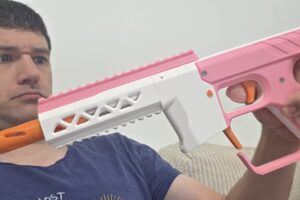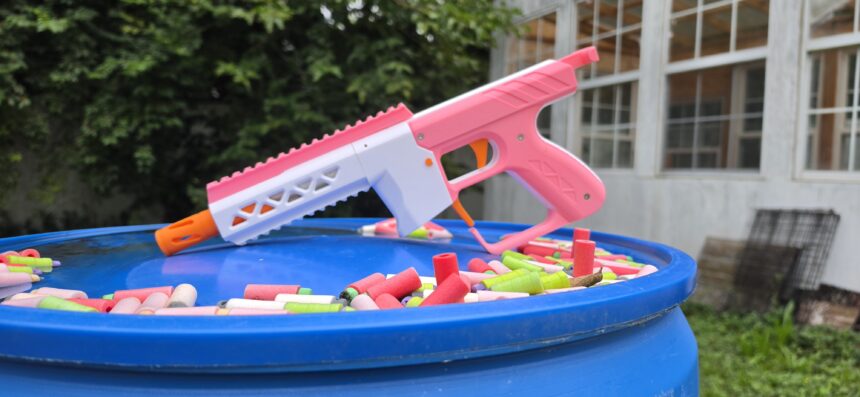
Acorn Armaments Signet V3 Review
September 24, 2026Author’s note: big thanks to Out of Darts for sending me a free hardware kit for making the blaster to do a review. Thanks, guys!
I got to see bits and pieces of the original Signet’s development in person, since Squirrel (clearly not his real name) attended many regional HvZ events in the past. I even went so far as to build one late last year, although I never got around to doing a full review of that nifty blaster.
This year, however, the blaster has been revised, with more and better features. With a choice of regular Talon or Nightingale magazine compatibility, improved construction, and more tactical options, the Signet V3 becomes a go-to blaster for HvZ and other game types.
Some Assembly Required
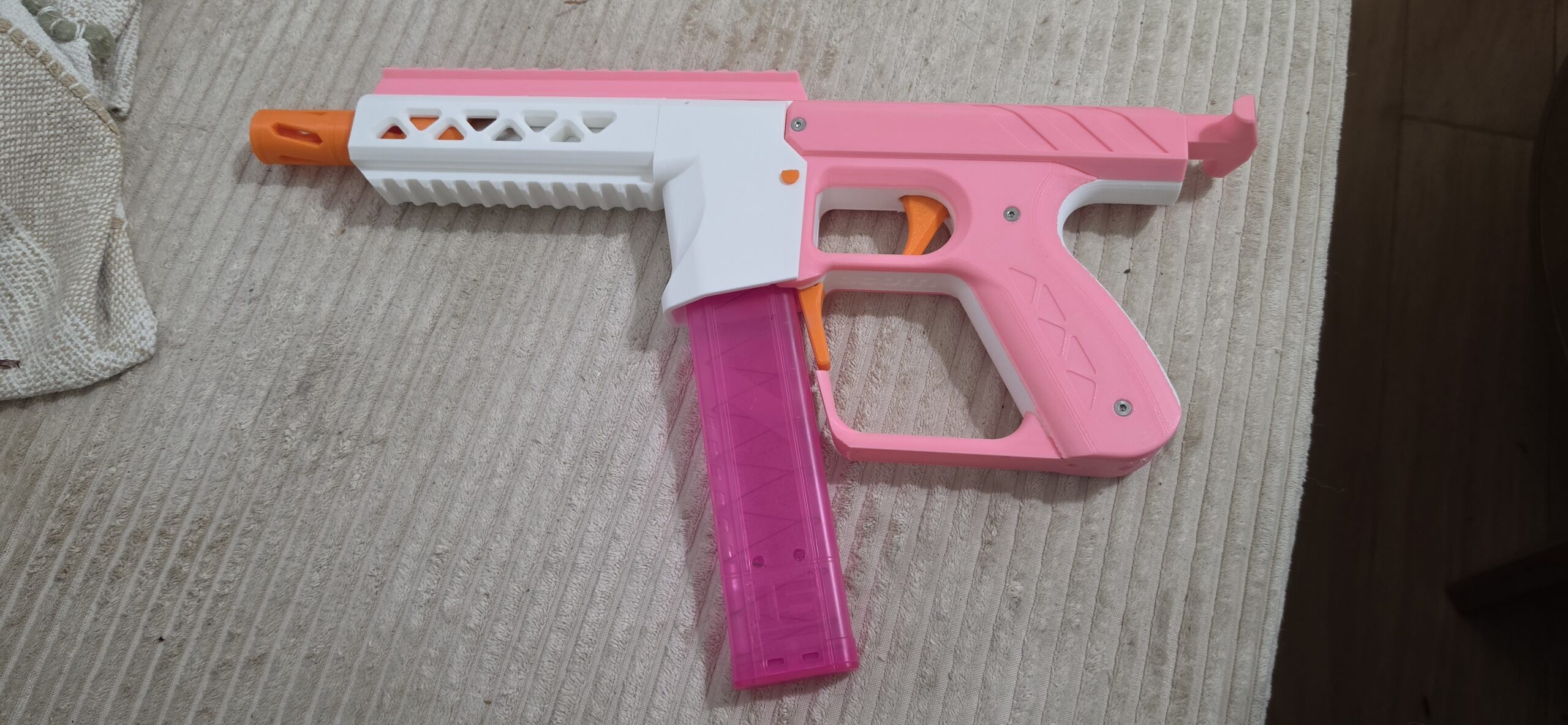 It’s a 3D-printed blaster, after al! While the hardware kit may be at Out of Darts, the files for printing are on Printables. Assuming some familiarity with the 3d printing process, the required print orientations are easy to figure out. Critically, though, don’t print things in a way that will fill retention slots with supports. Metric M3 nuts have to go in those slots, so either tweak the support settings or reorient the object before hitting “Print”.
Once you have all the necessary parts, I have a post online with pictures for assembling the blaster. I elected to make the version for Nightingale magazines, but the regular Talon version is assembled in the same manner.
I also ended up tweaking a few parts to my liking, including a PCAR from Chance. Info on the tweaked parts is also in the assembly post.
Operation
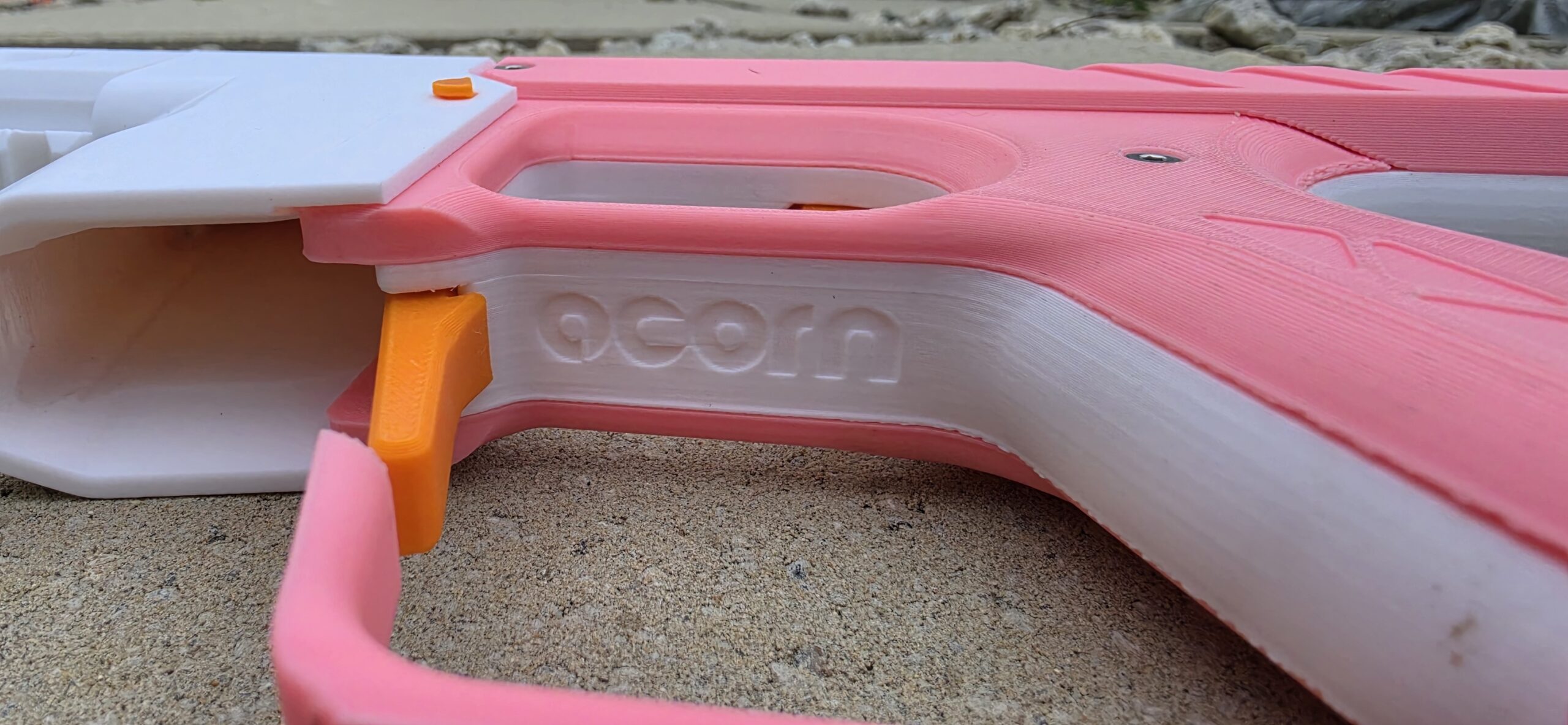
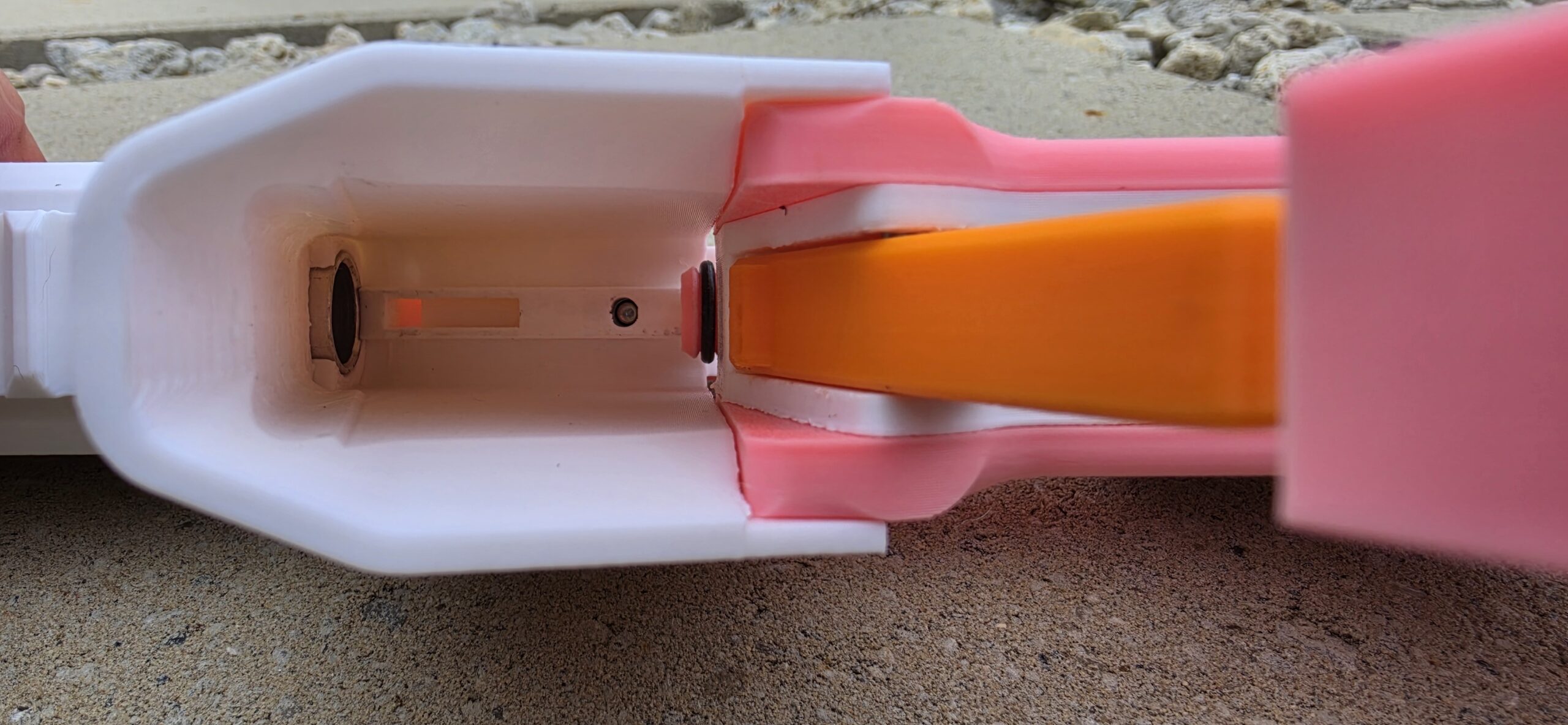
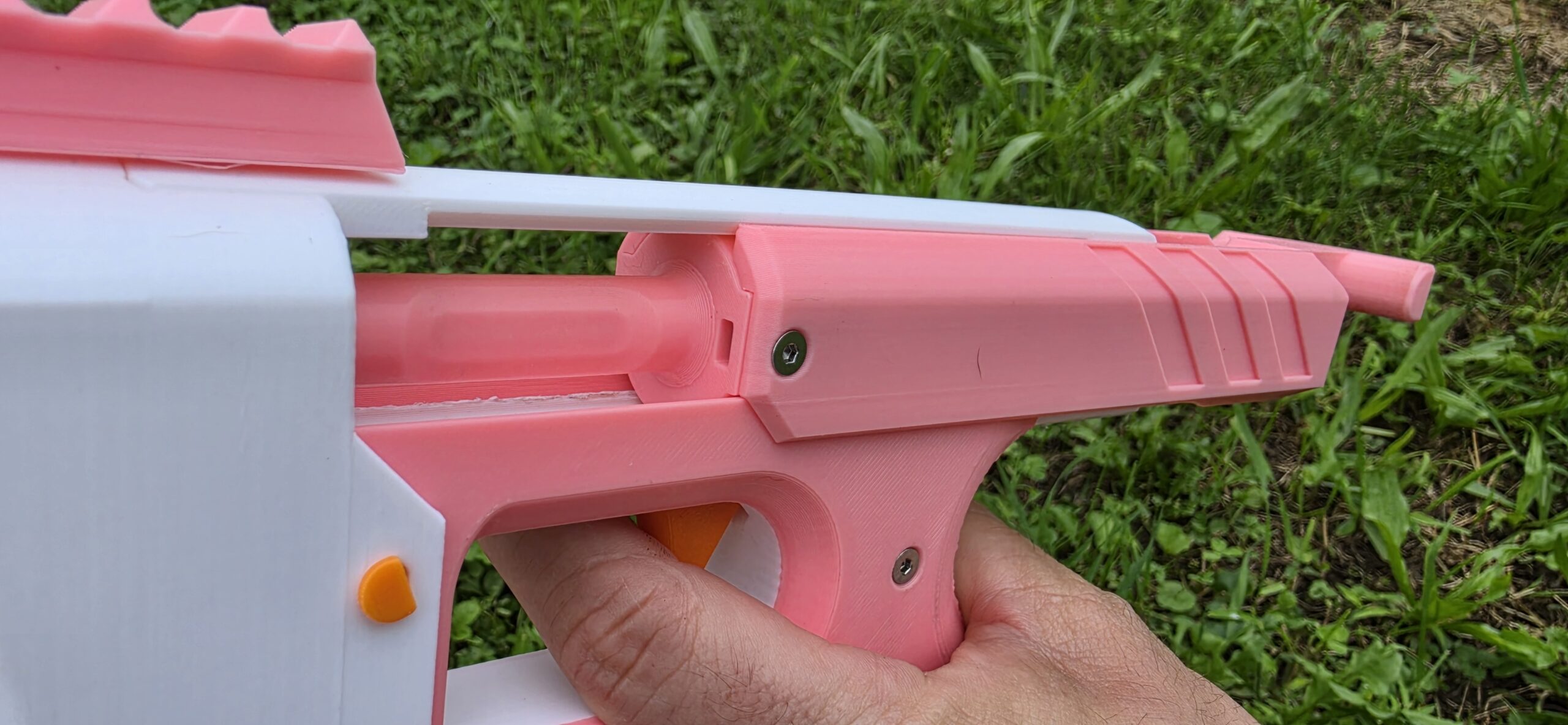
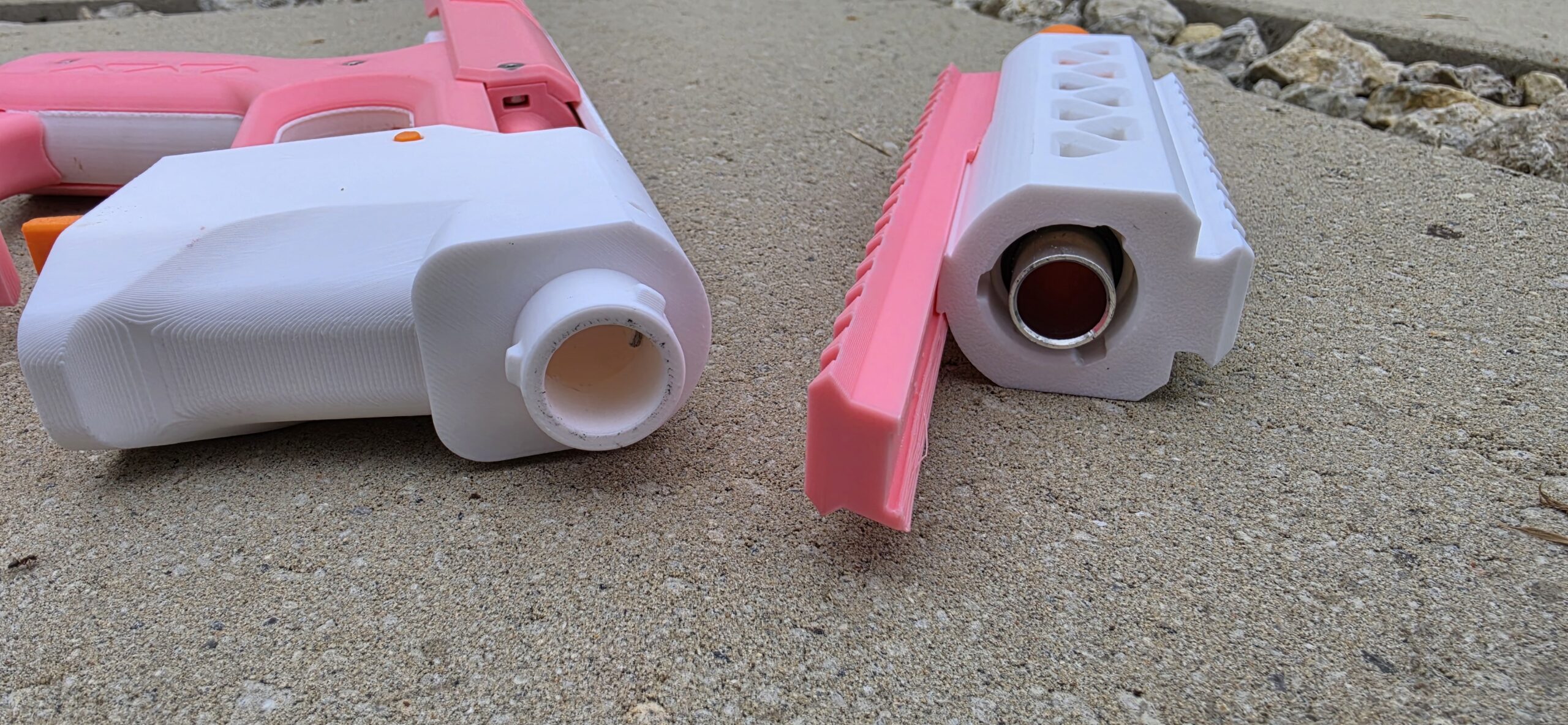
The newest Signet operates much like the old one. It’s a springer, with a top-mounted slide that also opens a breech. Prime the blaster, push the slide forward to chamber the next dart in your magazine, then fire.
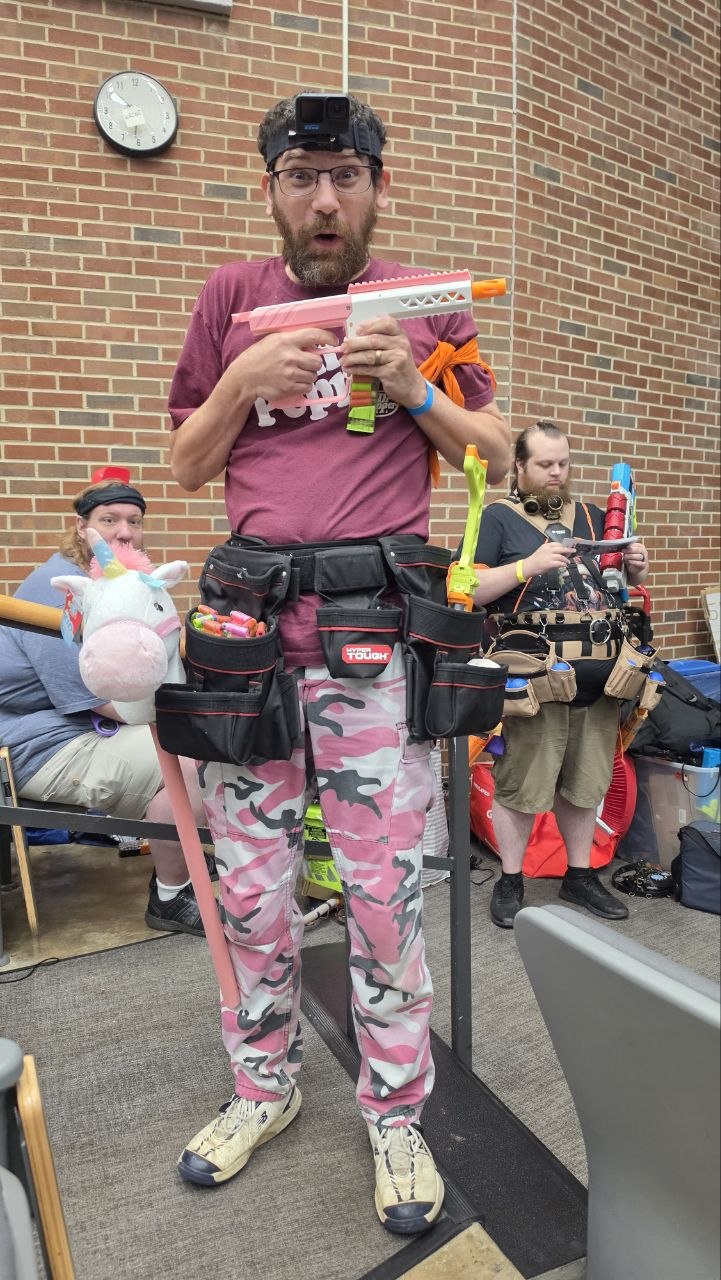 This one, however, is a major improvement. I printed it with a T-pull slide, which made priming the blaster even easier. There’s a skinny pusher for removing the magazine at any time (as well as a new magazine release lever). Assembly is helped along by a key change: holes are no longer needed in the plunger tube. And the barrel is now held in place primarily by an o-ring collet (the o-ring gets squished into place when you attach the tactical muzzle).
There are a few grip base options to choose from; if you have extra hex nuts and screws on hand, you can also print a base with Picatinny for use as a stock attachment point. Finally, there’s a large top rail to print for added real estate and/or color. I’m not the biggest user of tactical gear, but all these options are nice to have.
Priming is smooth, and the blaster is easy to aim and use. Operationally, I haven’t had any major complaints. To be fair, I know other users who’ve broken some parts here and there, like the pusher. But the blaster disassembles easily for maintenance and replacement. I, for one, have also been setting my printer settings to overkill as of late with 6 walls, among other things. Your results may vary.
Performance and Gameplay
My Signet has been averaging 124fps, in line with expectations. A PCAR or other barrel device can, depending on how aggressively it twists, drop that number as needed for some Humans v Zombies games. Rate of fire is slower, given that it’s a springer without slam-fire or other firing gimmicks, but one shot per second is perfectly reasonable, especially when you’re the type to line up shots and make the count.
I used the Signet for an extended mission last weekend, with my only issue being, with long enough use, the barrel can creep out a little and reduce performance. Pushing the barrel back in fixed the problem! I just made the PCAR fit tighter to keep that from happening next time.
Final Opinion
It’s been a while since I enjoyed building and running a small blaster like this, and it’s perfect for my playstyle. “Sidearm” sized blasters are a treat to use (I haven’t used my SPAMF in forever…I should clean the basement and find it…), and there are plenty of options out there (sneaks in shoutout for the OFD Hana).
When it comes to having a blaster that’s easy to print and assemble, with a hardware kit that’s ready to go, the Signet V3 is hard to beat.